Born of the river. Named by the Sindhu.
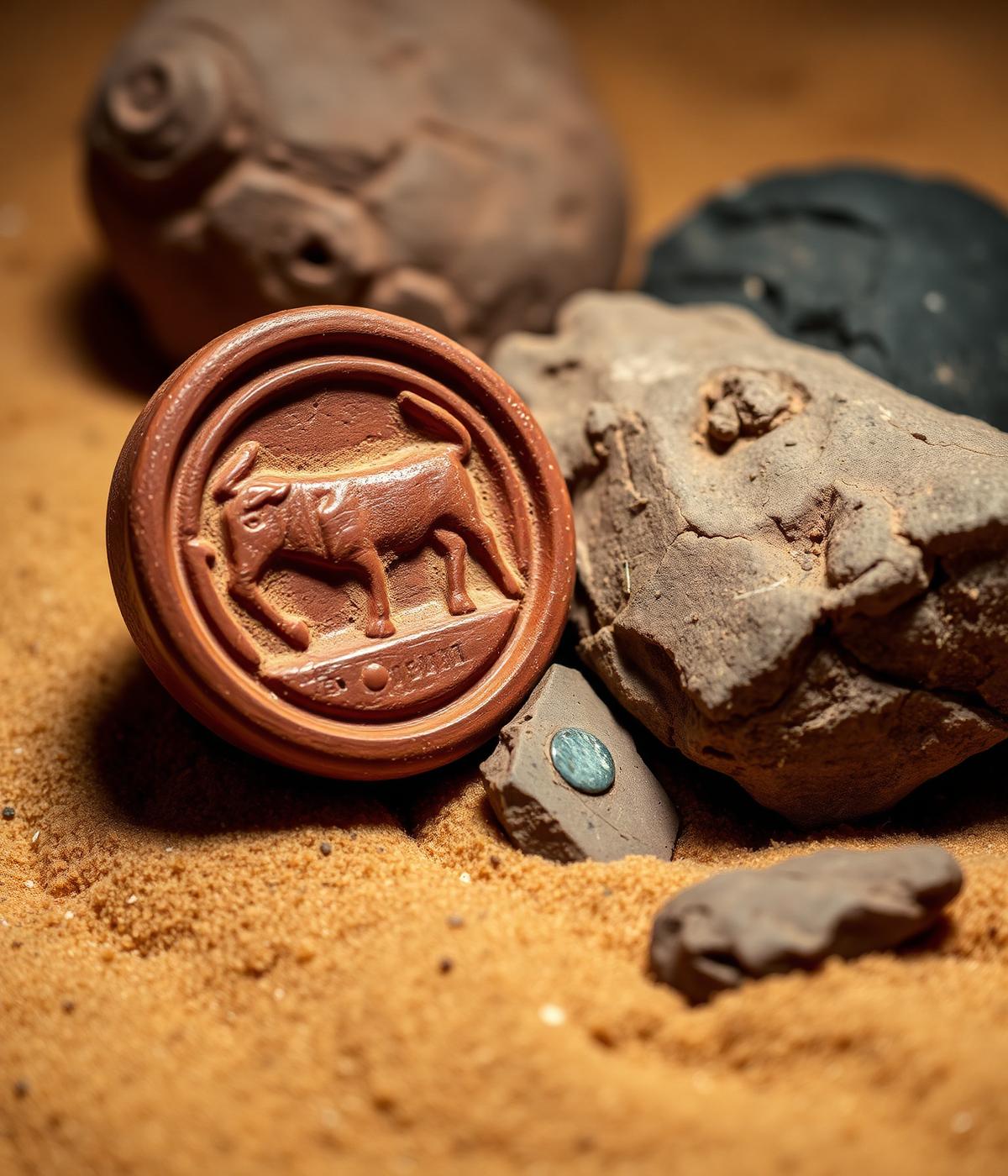
The word 'Sindhi' comes from Sindhu — the ancient name for the Indus River. Before there was an India or a Pakistan, there was Sindh: a cradle of urban civilization, Sufi poetry, and the bull-and-seal motifs that still echo through our art.
A civilization older than memory.
- 7000 BCE
Mehrgarh
One of humanity's earliest farming villages takes root in Balochistan, laying the foundation for what would become the Indus civilization.
- 3300 BCE
The Indus Valley Civilization
Across the Sindhu (Indus) River basin, planned cities rise — drainage systems, granaries, and standardized weights centuries ahead of their time.
- 2500 BCE
Mohenjo-daro & Harappa
Two great cities flourish on the banks of the Indus. Their seals, pottery, and dancing-girl bronze still speak across millennia.
- 1500 BCE
The Vedic Age
The Rigveda invokes the Sapta Sindhu — the seven rivers — naming the land and giving the people their identity.
- 711 CE
Arab Conquest
Muhammad bin Qasim arrives in Sindh, beginning centuries of layered cultural exchange that shape Sindhi language, music, and Sufi traditions.
- 1500s
Shah Abdul Latif Bhittai
The great Sufi poet weaves the Shah Jo Risalo — the soul of Sindhi literature, sung in every village to this day.
The land of seven rivers
The Rigveda speaks of Sapta Sindhu — the seven sacred rivers that nourished a people. The Indus and its tributaries shaped not only the landscape but the very identity of those who lived on its banks. To be Sindhi is to be of the river.
A confluence of faiths
Hinduism, Buddhism, Islam, and Sikhism met and mingled in Sindh. The Sufi poetry of Shah Abdul Latif Bhittai and Sachal Sarmast taught that the divine speaks in every tongue — a wisdom Sindhis carry to this day.